An XLVets Equine practice in partnership with the Royal Veterinary College, accredited and awarded 'Outstanding' by the Royal College of Veterinary Surgeons
Our philosophy to provide first-class veterinary care and client service, embrace current veterinary thinking, invest in modern technologies and deliver progressive clinical teaching is highlighted by our membership of XLVets Equine, our partnership with the RVC, and our accreditation status and award of ‘Outstanding Client Service’ by our governing body the RCVS.
Thank you for your good service with the added bonus of payment on the day. As with a lot of us with horses, COVID has played havoc with our income. The payment on the day gave me the opportunity to either have the cartrophen or not without worrying about the bill. Advising my livery uses you now.....
Claire McGonigle
Super, new telemedicine service from BEV, whilst we are all following the Government's Covid19 restrictions. Sent detailed email and clear photos to the surgery, the lovely Debbie organised a call, Andy called me straight back and went through the email, photos, gave probable diagnosis and the treatment needed. All sorted within half an hour. Brilliant professional, up to date servi....
Dawn Green
Andy carried out a 5 stage vetting for us yesterday. We experienced a thoroughly professional service from the initial contact & booking to the vetting itself. Thank you very much indeed to Andy who was excellent throughout the vetting. He was quiet and sensitive around the horse and made every effort to keep the seller and ourselves informed as the vetting proceeded.....
Kim Moloney
Great team at Buckingham Equine. They spend time with you and get to understand and appreciate you and your horse. They don't push unnecessary treatments on you, instead they discuss options in full. They have superb, spotless facilities and you are always made to feel very welcome. The whole team at Buckingham Equine are genuinely passionate about horses and it shows time and time ....
Sophie Yeates
Just wanted to say a huge thank you to everyone involved in the care George received throughout his treatment, surgery and his aftercare. Philip was brilliant throughout the whole treatment. He has been fantastic from the start and I couldn't of asked for a better service.
George and I are very lucky to have had such kind and caring vets. Couldn't have asked for better for my ho....
Elizabeth Ustic
Buckingham Equine Vets have treated my horse for a number of conditions and I have been impressed with the care he has received. Getting to the bottom of persistent problems doesnโt seem to worry the team, they make every effort to find the right answer in order to give the proper treatment. Advice has also been readily given over the phone and via email. I would have no hesitatio....
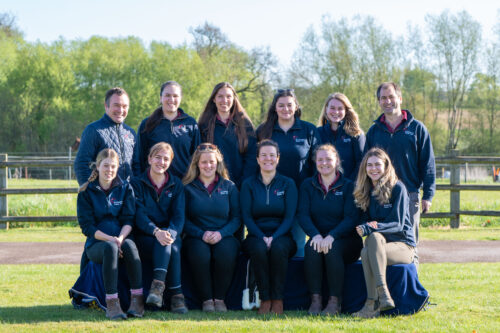
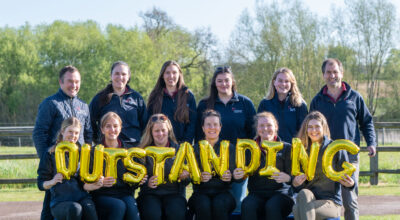
We're a dedicated equine specific team, all holding many years experience in treating horses
First class equine care and ‘outstanding’ client service
Our Buckingham clinic, Bedfordshire and Bicester branches serve a wide area within our FREE VISIT zone
Buckingham Clinic
Sparrow Lodge Farm
Wicken Park Road
Wicken, MK19 6BZ
01908 560789 North Zone:
Vaccinations free visit Wednesdays. Dentals: Third Tuesday of the month.
Bedfordshire Branch
117 Clophill Road,
MK45 2AE
01525 861995 East Zone:
Vaccinations free visit Tuesdays.
Dentals:
East 1- first Tuesday of the month,
East 2- second Tuesday of the month,
East 3- third Wednesday of month.
Bicester Branch
Grange Mews, Launton
OX26 5EE
01869 843118 South Zone:
Vaccinations free visit Thursdays.
Dentals:
South 1- second Wednesday of the month,
South 2- fourth Wednesday of the month.
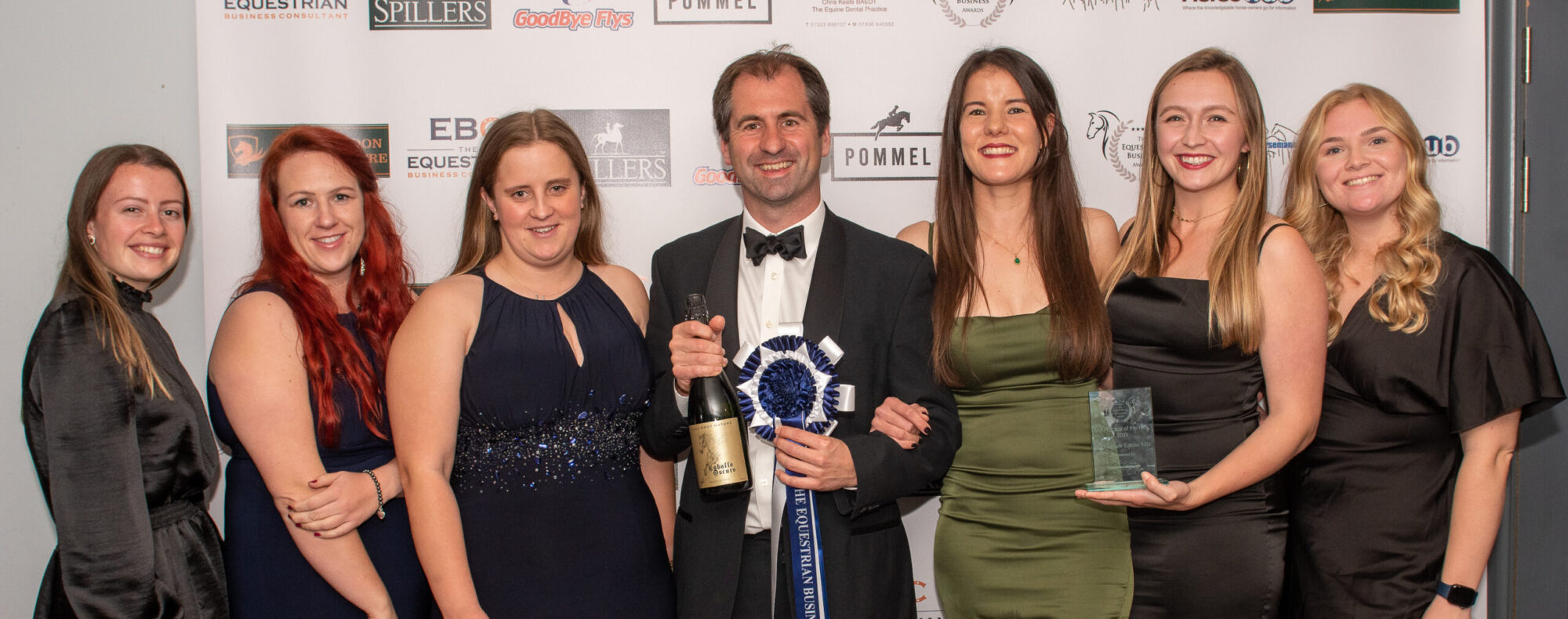
We have just received confirmation that weโve been presented with the RCVS Award for Client Service and have again been graded โOutstandingโ. This accolade is presented by [...]
Monthly Theme-๐๐ฟ๐ฎ๐ฐ๐๐๐ฟ๐ฒ๐ ๐ฎ๐ป๐ฑ ๐ฒ๐ ๐๐ฟ๐ฎ๐ฐ๐๐ถ๐ผ๐ป๐ ๐๐ฎ๐๐๐ฒ๐ ๐ผ๐ณ ๐ณ๐ฟ๐ฎ๐ฐ๐๐๐ฟ๐ฒ๐ฑ ๐๐ฒ๐ฒ๐๐ต:TraumaCariesTooth root infectionsAbnormal wear๐๐น๐ถ๐ป๐ถ๐ฐ๐ฎ๐น ๐ฆ๐ถ๐ด๐ป๐:QuiddingReduced appetitePoor performance or not accepting the bit when workedFacial swellingMalodorous breathOne-sided foul smelling nasal discharge if root infection and sinusitis is presentOr no signs at all! We frequently find fractured teeth on routine dentals where no clinical signs have been reported. Horses, ponies, and donkeys are prey animals, designed to keep eating through discomfort and may not show signs of dental pain until it is severe. So even if they are eating well, their mouths can still be painful. This makes routine dental examinations and treatment,at least once a year, even more important!๐ ๐ ๐ต๐ผ๐ฟ๐๐ฒ ๐ต๐ฎ๐ ๐ฎ ๐ณ๐ฟ๐ฎ๐ฐ๐๐๐ฟ๐ฒ๐ฑ ๐๐ผ๐ผ๐๐ต,๐ป๐ผ๐ ๐๐ต๐ฎ๐?If identified by a dental technician, they will refer you to your primary care vet or a dental specialist where x-rays and oral endoscopy may be required to determine if the whole tooth needs extracting, or just a loose fragment. Some extractions may be performed by your primary vet, however this depends on many factors such as age, which tooth/teeth are involved, how loose the tooth is, underlying infection and presence of any fractures. We are lucky to have a great relationship with visiting equine dental specialist ๐ก๐ฒ๐ถ๐น ๐ง๐ผ๐๐ป๐๐ฒ๐ป๐ฑ,who frequently performs advanced procedures at our clinic.๐ช๐ต๐ฎ๐ ๐ฎ๐ณ๐๐ฒ๐ฟ๐ฐ๐ฎ๐ฟ๐ฒ ๐ถ๐ ๐ป๐ฒ๐ฒ๐ฑ๐ฒ๐ฑ ๐ผ๐ป๐ฐ๐ฒ ๐ฎ ๐๐ผ๐ผ๐๐ต ๐ต๐ฎ๐ ๐ฏ๐ฒ๐ฒ๐ป ๐ฟ๐ฒ๐บ๐ผ๐๐ฒ๐ฑ?Your horse will require pain relief after the procedure, in some cases they may also need a course of antibiotics. Depending on the age of your horse and length of the tooth root, there may be packing placed in the socket. This requires changing by a veterinary surgeon every 10-14 days until adequately healed. We usually advise at least 2 weeks with no bit in the mouth but this can be longer depending on healing progress. Once the socket has healed and your horse has been signed off from us,they are likely to require routine dentals every 6 months to keep on top of opposing overgrowths. ...
Monthly Theme - ๐ช๐ต๐ฎ๐ ๐ถ๐ ๐ฎ ๐ฑ๐ถ๐ฎ๐๐๐ฒ๐บ๐ฎ? ๐ฆทIn a normal equine mouth the teeth are positioned closely together, without significant gaps. If abnormal gaps develop between the teeth, these are known as diastema (or diastemata if there are multiple). There are two main types of diastema: ๐๐ฎ๐น๐๐ฒ and ๐ผ๐ฝ๐ฒ๐ป. Valve diastema are close at the top and wider towards the base, creating a triangular-shaped space. Open diastema are approximately the same width at the top and bottom. Food can become trapped in these spaces, leading to inflammation and infection of the structures surrounding the tooth and, eventually, ๐ฝ๐ฒ๐ฟ๐ถ๐ผ๐ฑ๐ผ๐ป๐๐ฎ๐น ๐ฑ๐ถ๐๐ฒ๐ฎ๐๐ฒ. This is particularly common with valve diastemata. Both cheek teeth and incisors can be affected. In severe cases bacteria can enter these gaps which can cause abscesses and eventual tooth loss.๐๐ผ๐ ๐ฑ๐ผ ๐ฑ๐ถ๐ฎ๐๐๐ฒ๐บ๐ฎ๐๐ฎ ๐ผ๐ฐ๐ฐ๐๐ฟ?Both young and older horses can develop diastemata. ๐๐ฒ๐๐ฒ๐น๐ผ๐ฝ๐บ๐ฒ๐ป๐๐ฎ๐น ๐ฑ๐ถ๐ฎ๐๐๐ฒ๐บ๐ฎ๐๐ฎ occur in younger horses and may result from abnormal tooth formation or alignment. ๐๐ฐ๐พ๐๐ถ๐ฟ๐ฒ๐ฑ ๐ฑ๐ถ๐ฎ๐๐๐ฒ๐บ๐ฎ๐๐ฎ can develop in adult horses and this can occur when the normal ridges in a horseโs teeth (known as excessive transverse ridges) are enlarged and push food between the opposing teeth, or through tooth loss, displacement or fracture. ๐ฆ๐ฒ๐ป๐ถ๐น๐ฒ ๐ฑ๐ถ๐ฎ๐๐๐ฒ๐บ๐ฎ๐๐ฎ occur in older horses as age-related changes in tooth shape, wear and eruption can result in spaces developing between the teeth.๐ฆ๐ถ๐ด๐ป๐ ๐๐ผ ๐๐ฎ๐๐ฐ๐ต ๐ผ๐๐ ๐ณ๐ผ๐ฟ: A vet/ equine dentist (BAEDT) will be able to spot diastemata whilst doing a routine dental, sometimes before the horse develops any obvious signs but itโs important to look out for:๐ฆทQuidding ๐ฆทWeight loss ๐ฆทSwelling of the cheek or jaw ๐ฆทBad breath Diastemata can be ๐ฒ๐ ๐๐ฟ๐ฒ๐บ๐ฒ๐น๐ ๐ฝ๐ฎ๐ถ๐ป๐ณ๐๐น, particularly when food becomes tightly packed into the space, so prompt identification and appropriate management are important. They can be challenging to manage, and treatment will depend on the type and severity of the diastema. Your vet or equine dental professional may recommend there following:๐ฆท๐ฅ๐ฒ๐ด๐๐น๐ฎ๐ฟ ๐ฑ๐ฒ๐ป๐๐ฎ๐น ๐ฒ๐ ๐ฎ๐บ๐ถ๐ป๐ฎ๐๐ถ๐ผ๐ป๐ ๐ฎ๐ป๐ฑ ๐๐ฟ๐ฒ๐ฎ๐๐บ๐ฒ๐ป๐ to remove and flush food from the diastema.๐ฆท๐๐ถ๐ฒ๐๐ฎ๐ฟ๐ ๐ฐ๐ต๐ฎ๐ป๐ด๐ฒ๐, such as feeding soaked feeds or diet-replacement mashes, where appropriate๐ฆท๐ฅ๐ฒ๐ฑ๐๐ฐ๐๐ถ๐ผ๐ป ๐ผ๐ณ ๐ฒ๐ ๐ฐ๐ฒ๐๐๐ถ๐๐ฒ ๐๐ฟ๐ฎ๐ป๐๐๐ฒ๐ฟ๐๐ฒ ๐ฟ๐ถ๐ฑ๐ด๐ฒ๐, where these are contributing to food trapping.๐ฆท๐๐ถ๐ฎ๐๐๐ฒ๐บ๐ฎ ๐๐ถ๐ฑ๐ฒ๐ป๐ถ๐ป๐ด, which enlarges the space to prevent food becoming tightly packed and allows it to pass more freely between the teeth. This is performed under appropriate sedation and is a non-painful procedure. ๐ฆท๐ฃ๐ฎ๐ฐ๐ธ๐ถ๐ป๐ด ๐๐ถ๐๐ต ๐ฑ๐ฒ๐ป๐๐ฎ๐น ๐ถ๐บ๐ฝ๐ฟ๐ฒ๐๐๐ถ๐ผ๐ป ๐บ๐ฎ๐๐ฒ๐ฟ๐ถ๐ฎ๐น, which may be only be considered in selected severe cases or where widening is not appropriate. The material can wear down over time and may need to be replaced. ...
Monthly Theme - ๐๐ง๐๐ฎ๐ง๐๐ข๐๐ฎ๐ฅ๐๐ซ ๐๐๐ซ๐ข๐๐ฌ๐ฆท๐๐ถ๐ฑ ๐๐ผ๐ ๐ธ๐ป๐ผ๐ ๐๐ต๐ฎ๐ ๐ต๐ผ๐ฟ๐๐ฒ๐ ๐๐ผ๐บ๐ฒ๐๐ถ๐บ๐ฒ๐ ๐ป๐ฒ๐ฒ๐ฑ ๐ณ๐ถ๐น๐น๐ถ๐ป๐ด๐ ๐๐ผ๐ผ?Infundibular caries is a condition that can occur in the upper cheek teeth, when the central portion of the tooth, called the cementum, has a defect, allowing food material to build up. The food build up leads to decay, which can cause this defect to become deeper and wider, eroding into other layers of the tooth, hence reducing its overall strength. This may ultimately lead to tooth fracture or root abscessation.Horses often show no obvious signs in the early stages, which is why routine dental examinations are so important. Sedation allows your vet to carry out a thorough examination using a mirror and dental probe, helping them to assess the location and depth of any decay. In some cases, your vet may recommend cleaning and filling the defect to preserve the tooth, and reduce the risk of complications. Once a tooth has fractured or the root is affected, extraction may be the only practical treatment option. Routine dental checks do more than keep your horse comfortable - they can identify problems early and help prevent more serious issues.If your horse is due a dental examination, or you have concerns about their dental health, please contact the practice to arrange an appointment. Watch below to see how Neil places a filling โฌ๏ธโฌ๏ธโฌ๏ธ ...
Monthly Theme - ๐ช๐ผ๐น๐ณ ๐ง๐ฒ๐ฒ๐๐ต ๐บ๐ฆท๐ฆท๐ช๐ต๐ฎ๐ ๐ฎ๐ฟ๐ฒ ๐๐ผ๐น๐ณ ๐๐ฒ๐ฒ๐๐ต?Wolf Teeth are small, functionless premolars that sit just in front of the cheek teeth. They are usually found in the upper arcade, although they can occasionally be present in the lower arcades of your horseโs mouth. They usually erupt between the age of 6-18 months, although this can vary, along with their size, shape and position. In some horses they can also interfere with the bit. ๐ฆท๐ฆ๐ต๐ผ๐๐น๐ฑ ๐๐ต๐ฒ๐ ๐ฏ๐ฒ ๐ฟ๐ฒ๐บ๐ผ๐๐ฒ๐ฑ?If they are small and sat in the correct position just in front of the first functional premolars, then they are unlikely to cause an issue for your horse. There is also no need to remove them if you have a horse who is ridden away with no bitting issues. They may shed themselves around the age of 3 when the first cheek teeth caps are shed. If your horse has large, displaced, fractured, present in the lower arcade or blind (sat jut under the gum) wolf teeth then removal may be appropriate after discussing with your vet. ๐ฆท๐๐ผ๐ ๐ฎ๐ฟ๐ฒ ๐๐ต๐ฒ๐ ๐ฟ๐ฒ๐บ๐ผ๐๐ฒ๐ฑ?Wolf teeth can be removed by a veterinary surgeon or a qualified equine dental technician; however the latter must be done under direct and continuous veterinary supervision. The horse is sedated, pain relief will be given, and local anaesthetic is injected around the wolf teeth, the periodontal ligament attachments around the tooth are broken down until the tooth is loose and can be removed. The length of the procedure can vary greatly depending on size and strength of attachment of the teeth. It is also important that your horse is up to date with their tetanus vaccinations. ๐ฆท๐ช๐ต๐ฎ๐ ๐ฎ๐ณ๐๐ฒ๐ฟ ๐ฐ๐ฎ๐ฟ๐ฒ ๐ถ๐ ๐ป๐ฒ๐ฒ๐ฑ๐ฒ๐ฑ?Each horse is different, so your vet will advise you on the appropriate aftercare. Antibiotics are not indicated in routine wolf tooth extraction but your vet may provide pain relief for a few days following the procedure. They will also recommend that the horse is not ridden in a bit for around 2 weeks to allow time for the sockets to heal. ...